A new era of visibility is emerging through the use of answer engine optimization (AEO). Within AI-powered search experiences, both aid brands. Although GEO and AEO have similarities, they do not share the same features, which is significant.
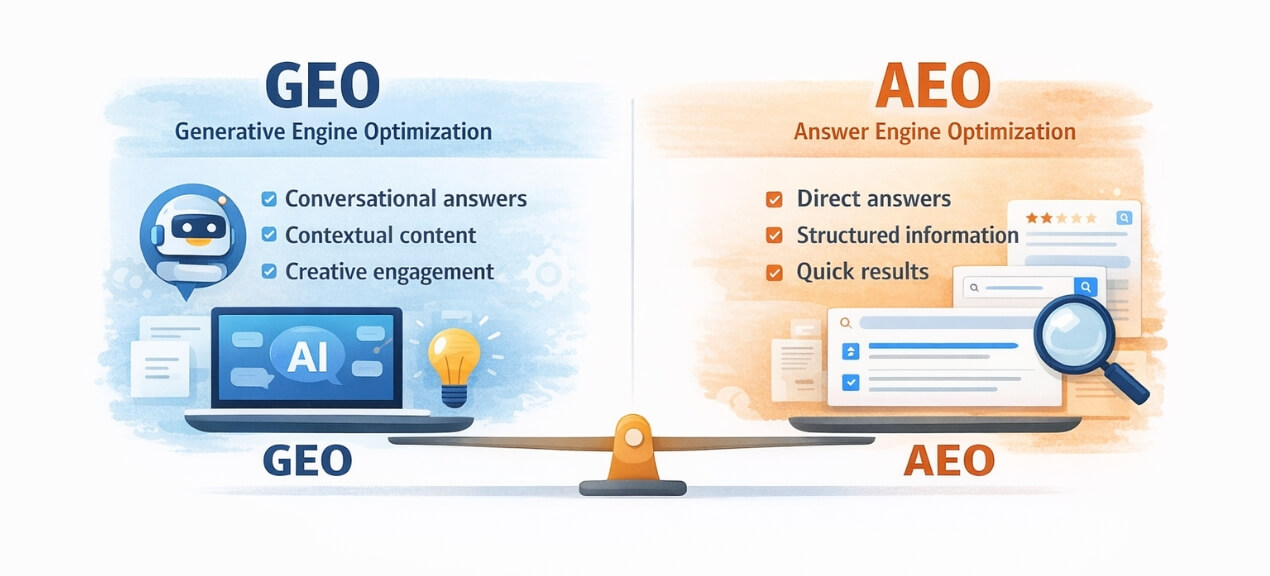
GEO seeks to modify the components of AI engines in user inquiries. Your aim is to be a component of their output without being directly requested.
The AEO approach involves recognizing your factual credibility, which will lead to answer engines returning your content as an explicit response. This is the basic principle of AEE.
The trusted source is your combination of GEO and AEO. You appear in generated responses to increase your power and establish credibility. This is how they collaborate and what are the ways to measure progress in these fields.
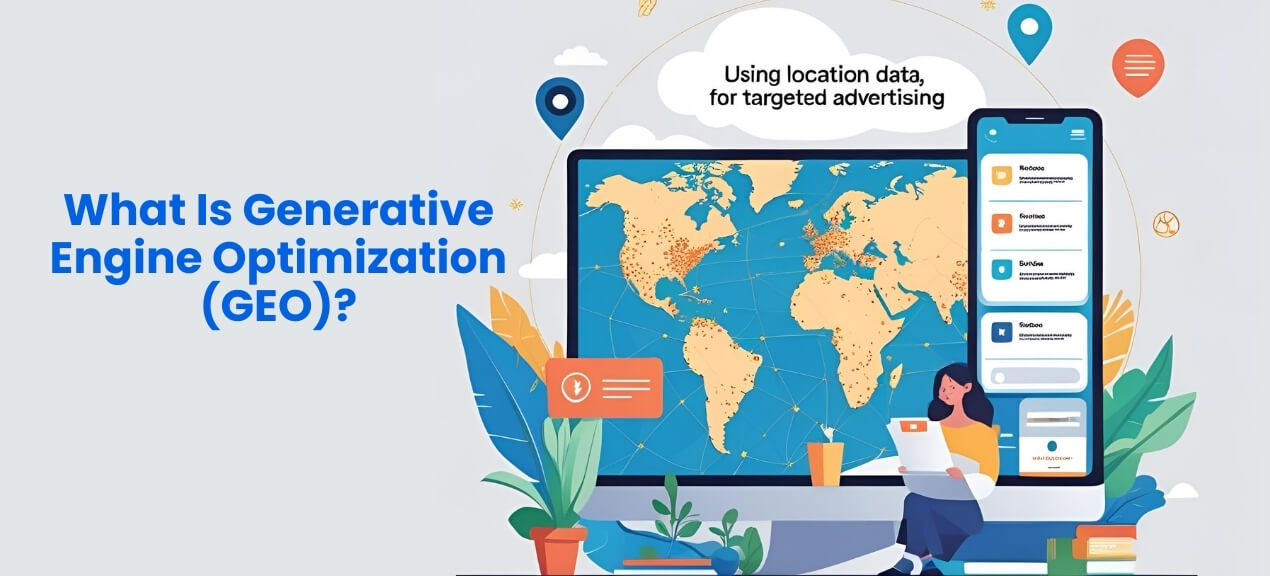
What Is Generative Engine Optimization (GEO)?
Your brand, product, or expertise within generative responses is communicated through the use of Generative Engine Optimization (GEO) in AI. The creation of language models is determined by your own efforts, rather than relying on them to generate blue links on a search results page. Whenever a user asks if they want to answer e-mail messages, they may provide summary, comparison, suggestions or narrative.
Rather than using static keywords, GEO emphasizes context and connection. AI can integrate your brand into pertinent conversations without any guidance. Your discovery is made easier and more natural by this.
What Is Answer Engine Optimization (AEO)?
The answer is ranked by the answer engine optimization (AEO).? By structuring your content, answer engines can extract and deliver it directly to the user as the ultimate response, rather than relying on traditional search rankings.
The format must adhere to: standard names, succinct explanations, factual content and references, schema standards, and answer-oriented citations. AEO rewards clarity and precision.
For instance, if you’re asked how refinancing works or which CRM is better for startups, an answer engine like Google AI Overviews or Bing Copilot will scan billions of documents and find the most suitable one.
Your content’s direct and verifiable nature makes you the first point of contact for users. AEO transforms information into power, and trust into control.
The mechanisms, requirements, and outcomes of these strategies are compared in detail using the foundational understanding of each approach.
GEO vs AEO: Core Differences Explained
GEO captures the “help me understand” queries in AI chatbots and conversational search, while AEO dominates the “give me the fact” queries in conventional search engines.
Organizations seeing the highest AI visibility gains (15-25% more AI mentions according to recent benchmarks) typically implement both approaches, allocating resources based on their content type and audience needs.
Timeline and Strategy Focus
GEO operates on longer timelines, building authority that influences how AI models understand and cite your brand over months or years. The focus is on creating content that is comprehensive enough to serve as part of AI training data and knowledge retrieval systems.
AEO delivers faster results, often showing featured snippet wins within weeks of optimization. The strategy centers on content structure and formatting rather than broad authority building, making it ideal for quick wins in specific query categories.
GEO requires presence across multiple platforms to establish the trust signals AI systems use when selecting sources. AEO typically targets specific search engine features—particularly Google’s AI Overviews and voice assistants—where structured content is prioritized for extraction.
Technical implementation diverges significantly. AEO necessitates the implementation of strict schema markup, optimization of core web vitals, and speed improvements on websites to facilitate content interpretation and extraction. GEO emphasizes the importance of backlink profiles, brand mentions, content depth, and signals that establish credibility for machine learning systems evaluating source reliability. These indicators are used in this study.
Measurement and Success Metrics
AI companies’ systems are not very clear, making it difficult to measure GEO. Why? Important metrics to consider include brand mentions in AI responses through monitoring tools, assessing citation frequency across AI platforms and evaluating authority signals such as backlink quality and topical relevance scores. Other key metrics.
Traditional SEO tracking is less effective than AEO metrics, which include appearances of featured snippets, voice search results rankings, answer engine result visibility, and organic traffic from zero-click searches where users interact with your brand without clicking through to you website.
How GEO and AEO Work Together
The implementation of both methods involves a systematic approach:
1- Foster brand recognition by consistently creating content, acquiring backlinks, and cultivating authority.
2- Use AI visibility tools to monitor and replicate the effects of a combination of traditional search analytics.
According to the business model, around 60% of resources should be directed towards your priority strategy and 40% towards the complementary approach.
Why GEO and AEO Matter for the Future of SEO
Perplexity and other platforms are now combining traditional search with AI, which facilitates conversation. The current scenario involves users refraining from scouring extensive inventories of search outcomes, preferring quick, precise, and focused responses.
This has major implications:
- The direct response of AI is resulting in lower website visits, leading to a decline in click-through rates.
- AI platforms may still feature brands, even if they are not experiencing an increase in traffic patterns.
- By using zero-click search, you are giving more importance to your personal belongings than the ad you viewed. This is why it is known as “zero- click” search.
- The use of voice and AI interfaces is on the rise, with estimates suggesting that 50% of all inquiries will involve voice or AI by 2026.
- You might not be able to tap into the next significant advancement in digital discoverability by neglecting GEO and AEO.
How to Optimize for GEO
1. Structure your content for machines:
Bullet points, lists with digits, and effective headers are all appropriate for writing.
Incorporate Tags like Article, FAQ, How-To, and Product into your code.
2. Write in natural language:
• GEO-friendly content corresponds with the language of users searching.
3. Ensure your content is crawlable:
Important information can be concealed by adding files or images.
4. Use citations to your advantage:
Despite the lack of user engagement, AI systems grant visibility through citations. Why?
How to Optimize for AEO
1. Create FAQ-style content:
- Think like the user.
- What questions would they ask?
- Utilize titles that begin with “What,” “How”, “When,” and “Why.”;
2. Use schema and markup:
Your content will be indexed and interpreted by search engines with the help of FAQ schema and How To schema.
3. Leverage conversational tone:
This is especially useful for mobile and smart device voice searches.?
4. Measure your snippet capture rate:
To track the success of your website’s snippet, utilize SEO tools like Semrush or Ahref.